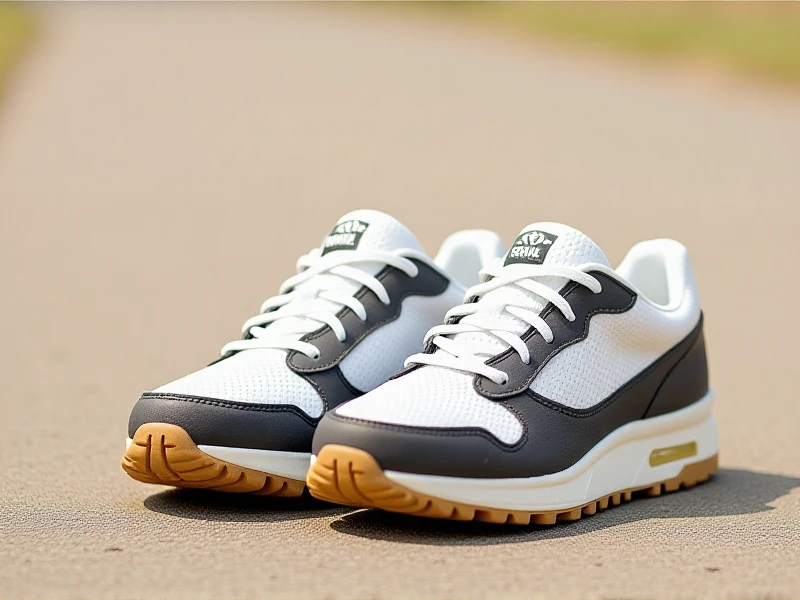
Unlock Your Best Run: Why the Right Running Shoes Matter
Forget just lacing up; running success starts from the ground up. Choosing the right running shoes is the single most crucial decision a runner makes – impacting performance, comfort, and injury prevention. Whether you're crushing miles daily or hitting the pavement occasionally, understanding the technology in your footwear transforms your run.
Not all running shoes are built alike. The foundation lies in fit and function. Pronation (how your foot rolls inward) dictates type:
- Neutral Shoes: Offer balanced cushioning and flexibility for runners with efficient biomechanics.
- Stability Shoes: Incorporate medial support (like dual-density foam or guides) to control mild to moderate overpronation.
- Motion Control Shoes: Provide maximum support structure for significant overpronation.
Beyond pronation, assess cushioning levels. Do you crave cloud-like softness (maximalist cushion) for long distances, responsive energy return (tempo/training shoes), or low-to-the-ground ground feel for speedwork? Best running shoes strike your perfect balance between plush comfort and efficient energy transfer.
Running shoe technology continuously evolves. Modern midsoles utilize advanced foams like EVA blends, TPU (often branded as Peba), or innovative gels, offering lighter weight, superior shock absorption, and long-lasting bounce. Breathable yet durable mesh uppers adapt to your foot shape, while strategic rubber placement on outsoles provides essential grip where you need it most.
Ignoring shoe choice invites problems. Ill-fitting or incorrect running shoes contribute to common running woes: plantar fasciitis, shin splints, knee pain, and blisters. Fatigue spikes while efficiency plummets. Conversely, properly fitting, performance-matched shoes enhance stability, reduce impact stress on joints, and conserve precious energy – letting you push further, faster.
Ready for an upgrade? Consider these tips:
- Know Your Foot: Understand arch type and pronation (specialty running stores often perform gait analysis).
- Fit is Non-Negotiable: Ensure a thumb's width at the toe, snug but not tight heel hold, and no pinching. Shop later in the day when feet swell. Always try with running socks!
- Purpose-Driven Choice: Match the shoe to your primary running goals (road, trail, speed, distance, recovery).
- Don't Overlook Mileage: Track shoe wear. Most high-quality running shoes last 300-500 miles before losing critical cushioning and support. Worn-out shoes lose their injury-buffering power.
Investing in proper footwear isn't vanity; it's vital running gear. The right pair of running shoes unlocks comfort, boosts performance, and protects your body. Explore the advanced technology available and feel the difference with every stride. Treat your feet – they carry you every mile. Visit us today to find your perfect performance match!