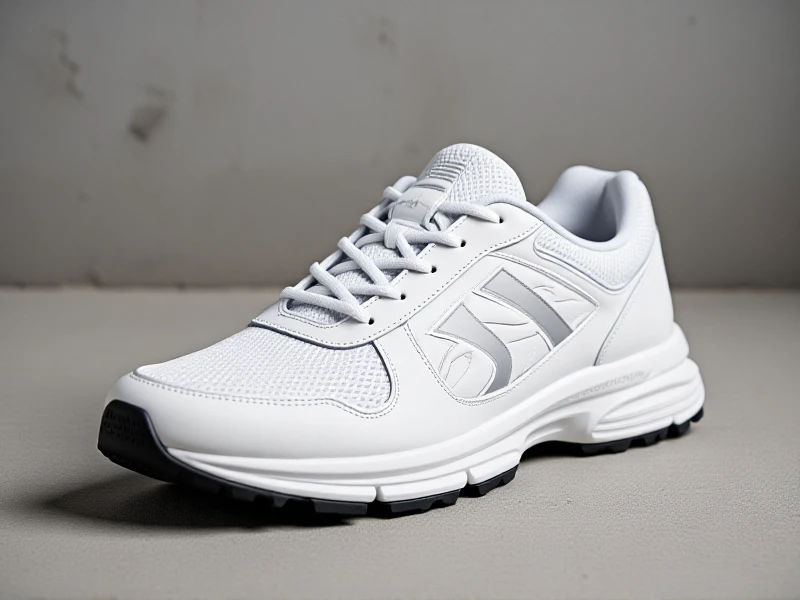
7 Crucial Factors to Consider When Buying Your Next Pair of Running Shoes
Here's an SEO-optimized article focusing on "Running Shoes":
Finding the perfect pair of running shoes is essential for performance, comfort, and injury prevention. Whether you're a dedicated marathoner or a weekend jogger, the right shoes can make all the difference. Here’s what smart runners prioritize:
- Fit is Fundamental: Shoes should feel secure without pinching. Leave a thumb's width between your longest toe and the end of the shoe. Ensure ample room in the toe box to prevent blisters or black nails.
- Understand Your Gait & Arch: Knowing if you overpronate (roll inward), supinate (roll outward), or have a neutral stride is crucial. Visit a specialty running shoes store for a gait analysis. Match your arch type (high, neutral, low) to the appropriate support level – stability, neutral, or motion control.
- Prioritize Cushioning: The midsole cushioning absorbs impact and protects joints. Consider your running surface: plush cushioning excels on pavement, while firmer, responsive cushioning may be better for trails or speedwork. Newer foams like PEBAX provide lightweight energy return.
- Check Weight: Lighter running shoes often promote faster turnover and less fatigue, especially for racing or speed sessions. Training shoes offer more protection but add weight. Match weight to your goals and typical distance.
- Consider Your Terrain: Road-running shoes prioritize cushioning on hard surfaces. Trail runners need aggressive grips, rock plates, and enhanced stability for uneven ground. Hybrid shoes offer versatility for mixed surfaces.
- Think Durability & Lifespan: Quality construction matters. Look for robust outsoles (especially high-wear areas like the heel) and durable uppers. While foam softens over time, most running shoes retain optimal support and cushioning for 300-500 miles.
- Don't Ignore Midsole Drop: The heel-to-toe offset affects running mechanics. Traditional stability shoes might have a high drop (10-12mm), promoting heel striking. Low drop (0-6mm) models encourage a midfoot/forefoot strike and feel more natural for some runners. Experiment based on comfort.
The Right Running Shoes Feel Effortless
Ultimately, the best running shoes feel like an extension of your foot. They should disappear under you during your stride. Invest time in trying different models, ideally later in the day when feet are slightly swollen. Take test jogs in the store if possible.
Understanding your individual needs – your body, your goals, your running style – transforms shoe shopping from a chore into an investment in your running longevity and joy. Get fitted properly and run happy!