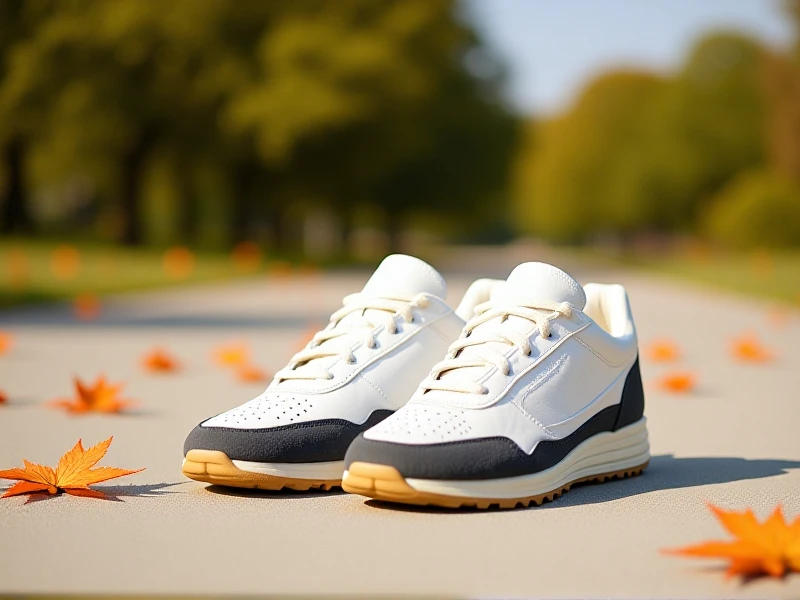
The Ultimate Guide to Finding Your Perfect Running Shoes
Running transforms lives – one stride at a time. But ill-fitting footwear can derail even the most passionate runners. Understanding running shoe technology ensures comfort, prevents injury, and unlocks peak performance.
Foot Type Dictates Design Start by analyzing your foot mechanics. Neutral runners need cushion-focused shoes for efficient shock absorption. Overpronators (feet rolling inward) benefit from stability models with medial support to control motion. Supinators (feet rolling outward) require flexible, curved-last shoes. Visit specialty stores for gait analysis or conduct the "wet test" at home – high arches leave crescent-shaped prints, while low arches show full imprints.
Cushioning: Find Your Sweet Spot Beyond impact protection, cushioning affects energy return. Hoka's marshmallow-soft midsoles reduce joint strain but sacrifice ground feel. Nike's Zoom Air units offer responsive bounce during speedwork. Minimalist options like Vibram FiveFingers strengthen foot muscles but demand adaptation. Match cushion level to distance: max cushioning for marathons, moderate for daily training, plush recovery for post-run relief.
Terrain Dictates Tread Road shoes prioritize lightweight foam with thin rubber patches. For park paths, hybrid trail-road outsoles with subtle lugs handle packed dirt without compromising pavement comfort. Genuine trail runners feature aggressive deep-lug designs and reinforced toe caps – Salomon Speedcross handles mud while Brooks Cascadia conquers rocky terrain.
Weight & Materials Matter Lightweight racers (<7oz) boost race-day speed but sacrifice durability. Daily trainers (8-11oz) balance cushioning with support. Premium uppers combine engineered mesh (Adidas Primeknit) for breathability with strategic synthetics like Asics' welded Exoskeletal heel counters. Avoid cotton linings – they trap moisture.
Rotation Prolongs Performance Expert runners rotate 2-3 pairs:
- Dedicated speed shoes
- Recovery models post-long runs
- Weather-specific options (waterproof Gore-Tex winter shoes)
Replace every 300-500 miles as compressed midsoles lose shock absorption. Press a thumb into the midsole – deep creases signal retirement time.
Running shoes are personalized science, not one-size-fits-all. Test shoes late afternoon when feet swell, leave a thumbnail's space at the toe, and remember the best shoe disappears beneath you – becoming a trusted extension of your running ambition.