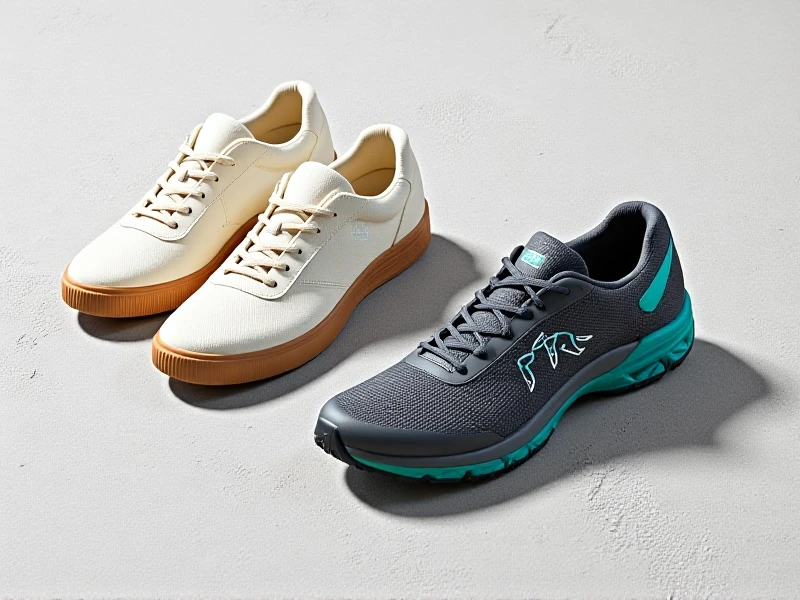
The Ultimate Guide to Choosing Perfect Running Shoes
Running shoes aren't just footwear—they're essential companions for anyone who hits the pavement, whether you're a casual jogger or a marathon enthusiast. With so many options on the market, finding the right pair can make all the difference in your comfort, performance, and injury prevention. In this guide, we'll walk you through how to select the best running shoes for your unique needs, ensuring every stride feels smooth and effortless.
First, understand the different types of running shoes available. Stability shoes are designed for those who need extra support to correct overpronation (where your foot rolls inward too much), ideal for runners with low arches. Cushioned shoes, on the other hand, offer maximum shock absorption for high-impact activities, perfect for people with high arches or neutral pronation. Barefoot or minimalist running shoes promote a more natural stride by mimicking bare feet, building strength over time, but they require gradual adaptation to avoid strain. By identifying your foot type through a simple at-home test—like checking your wet footprint—you can narrow down choices that match your biomechanics and running goals. Always consult an expert at a specialty store for personalized advice.
Next, focus on key features when selecting running shoes. The fit is crucial; your toes should have a thumb's width of space to prevent blisters and toenail issues. Materials matter too—breathable mesh uppers keep feet cool during long runs, while durable rubber soles provide grip on various terrains. Weight plays a role as well: lighter running shoes enhance speed for competitive runners, whereas heavier ones add stability for beginners. Aim to try shoes on in the evening, when feet are slightly swollen, and perform a jog test in-store to ensure comfort. Remember to replace your running shoes every 300–500 miles, as worn-out cushioning loses effectiveness, increasing injury risk.
Beyond selection, wearing proper running shoes brings numerous benefits. They reduce joint impact by absorbing shock, lowering the chance of common injuries like shin splints or plantar fasciitis. High-quality options improve energy return, helping you run further with less fatigue. Additionally, pairing them with good socks enhances moisture-wicking and comfort. To maximize longevity, rotate between pairs if possible and clean them regularly by hand with mild soap. Brands like Nike, Brooks, and ASICS offer innovative models that blend tech with style, so research reviews online before investing.
In summary, the right running shoes transform your runs from painful to pleasant, boosting overall health and enjoyment. Start with a self-assessment, and don't hesitate to test multiple pairs. Share your experiences to inspire others and explore our full collection for more tips—your perfect step awaits!